
Clean Air Industries

+1 (866) 665 1829

Clean Air Industries

Carbon and Fiberglass Dust in Manufacturing: Composite Power and Safe Collection Solutions

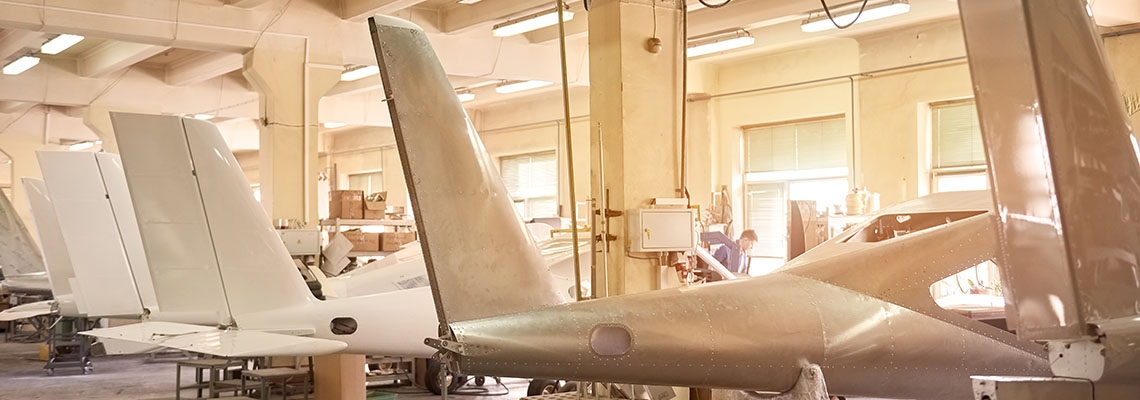
Modern manufacturing continues to evolve with materials that are lighter, stronger, and more adaptable than ever before. Among the most important contributors to this advancement are carbon fiber and fiberglass composites, which combine impressive mechanical properties with low weight. But while these materials offer tremendous performance benefits, their processing—particularly the fine dust they generate—presents serious health and safety challenges.

Carbon Fiber and Resin: The Lightweight Strength Duo

One of the most widely used composite materials today is carbon fiber reinforced epoxy. In this system, milled carbon fiber powder—a fine form of carbon dust—is added to an epoxy resin, creating a matrix with exceptional strength, rigidity, and fatigue resistance. This makes carbon/epoxy composites indispensable in manufacturing industries such as:

  • Aerospace, where structural strength and weight reduction are critical
  • Automotive, especially in lightweight panels, frames, and bodywork
  • Marine, where lightweight strength, stiffness, and corrosion resistance are vital
  • High-performance sports equipment, including bicycles, helmets, and skis

Depending on the application, the carbon fiber may take the form of loose powder, chopped fiber, or fabric. Resin is applied either by direct mixing (casting) or resin infusion, a process where the epoxy is pulled into carbon fiber fabric using vacuum pressure—typically at a fiber-to-resin ratio of 60:40.

Dust Risks: Combustibility and Worker Safety

While carbon composites are a marvel in design, the carbon dust generated during cutting, grinding, or sanding is moderately combustible and potentially harmful to workers. Inhalation of airborne carbon particles over time can lead to respiratory irritation or more serious health effects. Skin contact with resins and fibers may also cause irritation or allergic reactions.

Similarly, fiberglass dust, though chemically distinct, poses combustible dust risks and is considered hazardous due to its fibrous structure. When airborne, these particles can become an ignition hazard and are difficult to control without proper collection and filtration.

Clean Air Solutions for Carbon and Fiberglass Dust

At Clean Air Industries, we offer a range of dust collection systems tailored for composite material processing, helping manufacturers stay compliant, safe, and efficient.

Recommended Systems:

  • Amtech ATV & ATH Series Cartridge Dust Collectors
    Can be configured for combustible dust environments with explosion protection and high-efficiency filter cartridges suited for carbon and fiberglass applications.
  • ADT Series Dust Collectors
    Designed for lower CFM (cubic feet per minute) applications—great for point-source extraction or benchtop grinding of composite materials.
  • Amtech EBM Series
    Can be used for non-combustible dust applications but are not rated for combustible dust environments.

Media Recommendations:

  • 80/20 cellulose-polyester blend: Adequate for most carbon and fiberglass dust.
  • Polyester SpunBond: Recommended when dealing with more fibrous particulate, such as loosely milled fiberglass.

Final Thoughts

Carbon and fiberglass composites are enabling revolutionary design and performance across manufacturing sectors. But along with their benefits come safety concerns tied to dust generation and combustibility. By selecting the right dust collection system and filter media, manufacturers can continue to innovate with these advanced materials while protecting their workforce and complying with safety regulations.

Clean Air Industries offers engineered solutions for carbon dust, fiberglass particulates, and other composite byproducts. Whether you’re working with graphite-like powder or more fibrous fiberglass, we’re here to help keep your shop safe and clean.
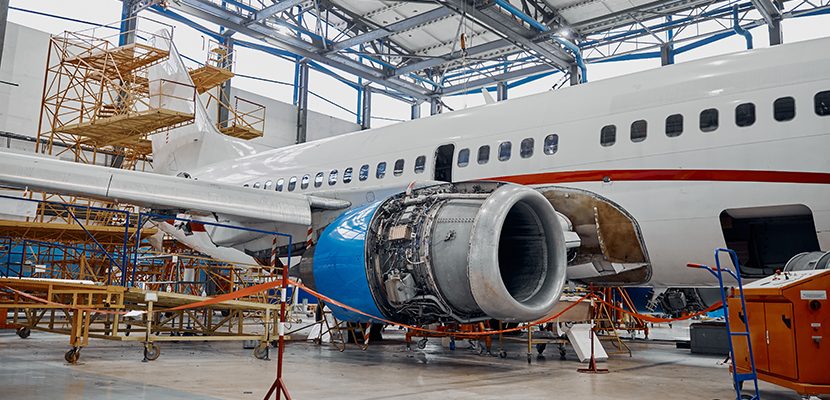
 

Soaring High: The Evolution and Impact of Aerospace Manufacturing on Indoor Air Quality

Taking Flight: A 20-Year Journey in Aerospace Manufacturing

The aerospace industry has always been at the forefront of technological innovation, with manufacturing applications evolving dramatically over the past two decades. From the early 2000s, where manual labor and traditional machining were the norms, we’ve seen a shift towards automation, additive manufacturing (3D printing), and advanced composite materials. These advancements have not only streamlined production but also significantly improved the quality and performance of aerospace components.

For instance, the integration of computer-aided design (CAD) and computer-aided manufacturing (CAM) has revolutionized the precision and efficiency of production lines. Additive manufacturing, once a futuristic concept, is now a reality, allowing for the creation of complex parts with reduced material waste. According to a report by Deloitte, the aerospace sector has embraced these technologies to reduce costs and improve the sustainability of operations.

Breathing Easy: Impact on Indoor Air Quality

As aerospace manufacturing has advanced, so have the concerns about indoor air quality (IAQ) in manufacturing facilities. The processes involved in machining, welding, and composite material fabrication can release a variety of airborne contaminants, including volatile organic compounds (VOCs), particulate matter, and metal fumes.

Studies have shown that poor IAQ can lead to a host of health issues for workers, from short-term respiratory problems to long-term conditions like chronic obstructive pulmonary disease (COPD). With the increased use of advanced composites and additive manufacturing, there’s also the potential release of ultrafine particles, which can penetrate deep into the lungs and cause significant health risks.

Health Risks: The Invisible Threats

The health risks associated with poor IAQ in aerospace manufacturing facilities are manifold. Prolonged exposure to VOCs can cause headaches, dizziness, and even damage to the liver, kidneys, and central nervous system. Particulate matter, especially in the form of ultrafine particles, poses a serious threat as it can trigger asthma, bronchitis, and other respiratory conditions. Metal fumes, often released during welding, can lead to metal fume fever and long-term neurological effects.

Clear Skies Ahead: Mitigating Health Risks

Fortunately, there are several measures aerospace manufacturers can take to minimize these health risks and improve IAQ:

  • Ventilation Systems: Investing in high-efficiency ventilation and air filtration systems can significantly reduce the concentration of airborne contaminants. Ensuring regular maintenance of these systems is crucial to their effectiveness.
  • Source Control: Implementing source control measures, such as enclosed booths and localized exhaust ventilation, can help capture contaminants at their source before they spread throughout the facility.
  • Personal Protective Equipment (PPE): Providing workers with appropriate PPE, including respirators and protective clothing, can offer an additional layer of protection against harmful exposures.
  • Regular Monitoring: Conducting regular air quality assessments and monitoring can help identify potential IAQ issues early and allow for timely intervention.
  • Training and Awareness: Educating employees about the potential health risks and the importance of IAQ can foster a culture of safety and vigilance within the workplace.

Conclusion

The aerospace industry’s journey over the past 20 years has been marked by incredible advancements in manufacturing technology. However, with these advancements come new challenges, particularly in maintaining good indoor air quality. By understanding the health risks and implementing effective mitigation strategies, aerospace manufacturers can ensure a healthier, safer working environment for their employees, allowing the industry to continue reaching new heights.


Sources:

  1. Deloitte Insights. (2023). “The Future of Aerospace Manufacturing”.
  2. Occupational Safety and Health Administration (OSHA). (2021). “Indoor Air Quality in Manufacturing Facilities”.
  3. Environmental Protection Agency (EPA). (2022). “Health Effects of Ultrafine Particles”.
  4. National Institute for Occupational Safety and Health (NIOSH). (2020). “Metal Fume Exposure in Welding”.
  5. American Society of Heating, Refrigerating and Air-Conditioning Engineers (ASHRAE). (2023). “Ventilation for Acceptable Indoor Air Quality”.
  6. Industrial Ventilation, Inc. (2021). “Source Control Solutions for Manufacturing”.
  7. National Institute for Occupational Safety and Health (NIOSH). (2019). “Personal Protective Equipment for Manufacturing Workers”.
  8. Environmental Health Perspectives. (2022). “Monitoring Indoor Air Quality in Industrial Settings”.
  9. American Lung Association. (2023). “Workplace Air Quality and Employee Health”.