
Weld Fume Extractors & Welding Fume Extraction Systems
Weld fume extractors capture welding smoke and metal particulate at the source, before it reaches the welder’s breathing zone. Clean Air Industries manufactures weld fume extraction systems in the USA, from 450 CFM gun-mounted extraction to 10,400 CFM weld cell collectors.
Choose portable and wall-mounted Fume Dog extractors for individual stations, fume capture arms and custom hoods for fixed workstations, or weld cell collectors for robotic and high-volume production.
Weld Fume Extractors for Industrial Use

Portable Fume Extractors
- Up to 1,200 CFM Airflow
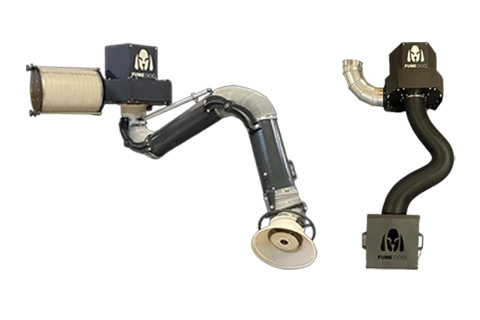
Wall-Mounted Fume Extractors
- 1,200 CFM Airflow
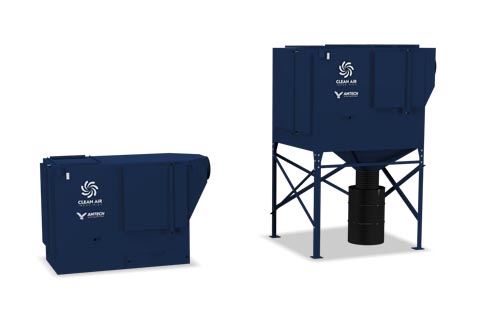
Amtech Autovent Weld Cell Extractors
- Up to 10,400 CFM Airflow
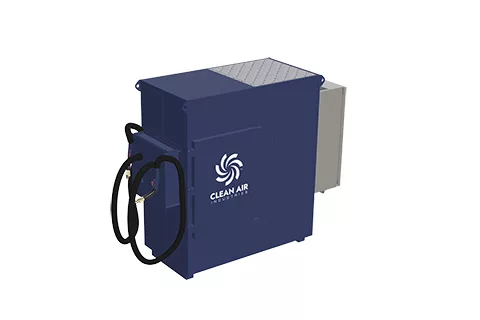
Liberty Hi-Vac Fume Extraction System
- 450 CFM Airflow
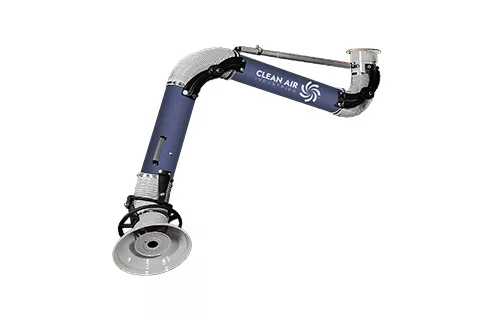
Fume Capture Arms
- Multiple Sizes Available
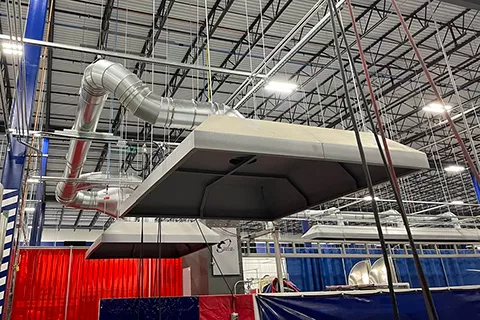
Custom Welding Hoods
- Various Configurations
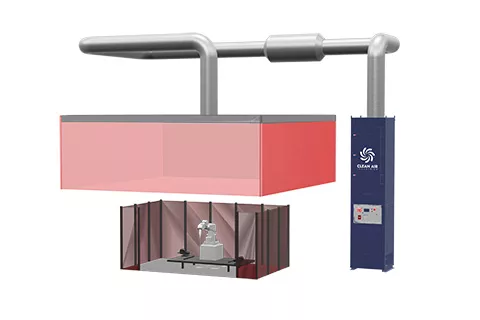
Liberty Weld Cell Collectors
- Up to 6,300 CFM Airflow
Request A Quote
Please provide the information below, and one of our experts will be in touch very shortly to help with your needs.
Frequently Asked Questions About Fume Extraction Systems
- Portable/Mobile Extractors: These compact, mobile units are perfect for small workshops or workspaces that require flexibility. They’re easy to move and typically equipped with high-efficiency filters for effective fume removal.
- Stationary/Fixed Extractors: Permanently installed systems ideal for continuous use in designated areas. They are well-suited for high-volume or dedicated welding stations.
- Centralized Systems: These large-scale setups connect multiple welding stations to a central extraction and filtration unit. They are commonly used in factories, industrial sites, or educational facilities.
- Source-Capture Extractors: This category includes extraction arms, fume hoods, or fume guns that capture contaminants directly at the source, minimizing worker exposure.
- Ambient/Air Cleaning Systems: Designed to clean the overall air within a workshop, these systems are useful when source capture isn’t practical or possible.
Selecting the ideal fume extraction system depends on several key factors related to your operation. Consider the following when making your decision:
- Workspace Size and Layout: Smaller or more flexible workspaces benefit from portable extractors, while larger areas or fixed welding stations may require stationary or centralized systems for optimal coverage.
- Type of Welding Process: High fume-generating processes such as MIG or stick welding typically demand more powerful systems or specialized source-capture solutions to effectively manage emissions.
- Welding Volume and Frequency: For high-volume or continuous welding, self-cleaning or centralized systems are more efficient. If welding is performed occasionally, portable units are usually sufficient.
- Budget and Maintenance: Portable units and systems with disposable filters offer lower upfront costs but may lead to higher ongoing filter replacement expenses. Conversely, self-cleaning and centralized systems have higher initial costs but provide long-term savings on maintenance.
When selecting a welding fume extractor, it’s important to evaluate specific features that impact performance, safety, and usability. Here are the key factors to consider:
- Airflow and Suction Power: Ensure the unit delivers high airflow (measured in CFM) and strong suction capability to effectively remove welding fumes at the source.
- Filtration System: Opt for high-quality filters—such as HEPA filters or those with a high MERV rating—especially if you’re working with hazardous materials like stainless steel.
- Mobility: If your workspace requires flexibility, look for extractors with wheels and ergonomic handles for easy maneuverability, such as the Liberty P1200 Portable Fume Extractor by Clean Air Industries.
- Noise Level: Consider quieter models to maintain a more comfortable and less disruptive working environment.
- Durability: Choose units with solid, durable construction—particularly important for portable models that will be moved frequently or used in tough environments.
The type of filtration system in a welding fume extractor affects both cost and maintenance. Here’s how disposable and self-cleaning units compare:
- Disposable Filter Units: These systems use replaceable filters that must be changed regularly. They offer a lower initial investment, but incur higher ongoing costs due to frequent filter replacements.
- Self-Cleaning Units: Equipped with automatic filter cleaning mechanisms (such as pulse-jet cleaning), these units allow filters to be reused. While they require a higher upfront cost, they significantly reduce long-term maintenance and operating expenses.
To maximize the performance and safety benefits of your welding fume extraction system, follow these best practices:
- Source Capture: Position extraction arms or fume hoods as close to the welding point as possible—typically within 6 to 18 inches—for optimal fume capture before fumes disperse into the workspace.
- Proper Placement: Ensure the extractor setup does not obstruct the welder’s movement, while still capturing fumes before they reach the breathing zone. Effective positioning enhances both safety and productivity.
- Regular Maintenance: Clean or replace filters as recommended and inspect the system for blockages or wear. Routine maintenance helps maintain consistent airflow and extraction efficiency.
Yes. All welding processes—whether MIG, TIG, stick, or flux-cored—produce hazardous fumes that can lead to serious health risks such as respiratory issues, neurological damage, and even cancer. A proper fume extraction system is essential to protect workers and maintain compliance with occupational safety regulations, regardless of the welding method used.