
Why Source Capture Is the Smarter Choice Over General Ventilation for Industrial Manufacturing

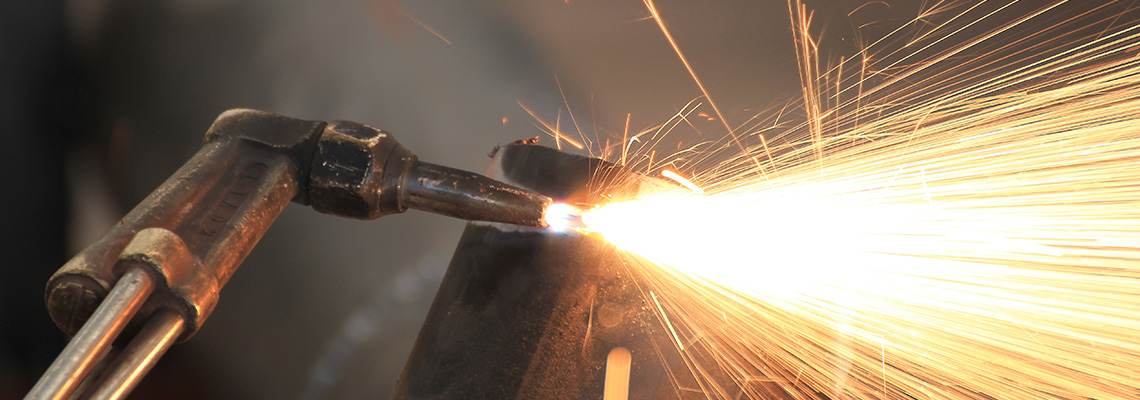
When it comes to industrial air quality, one size doesn’t fit all – especially if you’re welding, grinding, or plasma cutting on the floor every day. The stakes are high: worker health, equipment performance, and compliance with air quality regulations. That’s why more facilities are shifting from general ventilation to source capture systems – and for good reason.
Let’s break down what makes source capture more effective, how different solutions stack up (like downdraft tables, welding booths, and portable extractors), and why getting your airflow and CFM right matters more than you might think.
Why General Ventilation Falls Short (And Source Capture Wins)
General ventilation tries to clear the air by diluting contaminants throughout the workspace. But here’s the problem: it often doesn’t catch pollutants until it’s too late – after they’ve entered the worker’s breathing zone or spread across your facility.
Source capture tackles this at the root. It collects fumes, smoke, and dust right where they’re created – whether at the weld arc, grinding wheel, or plasma cutter. This targeted approach prevents toxic particles from ever becoming a facility-wide issue.
Downdraft Tables, Welding Booths, or Portable Extractors: Which One’s Right for You?
Each of the options below are designed to capture airborne hazards at the point of generation – which is the key to protecting workers and keeping your plant compliant with NFPA and local regulations. Here’s how the most common source capture solutions compare:
Downdraft Tables
Perfect for grinding and plasma cutting. These tables pull contaminants down through the work surface – keeping harmful dust away from your lungs.
Welding Booths
Great for fixed stations. With high-efficiency fume arms and curtains, they create a semi-enclosed space to trap welding fumes where they start.
Portable Extractors
If flexibility is key, these mobile units are ideal. Use them wherever the work is, especially in repair or job-shop settings.
Why Capturing at the Source Is a Game Changer
Toxic fumes like hexavalent chromium, fine metal particulates, and plasma smoke don’t just vanish — they spread, settle, and build up in ways that can impact respiratory health, fire safety, and machine performance.
The smartest way to stop them? Intercept them at the arc, grind, or cut point. It’s not just more effective — it’s also more cost-efficient over time. By reducing the overall air volume needing filtration, source capture systems lower energy use and reduce filter replacement costs.
Getting Airflow Design Right: Don’t Just Guess — Engineer It
Airflow design is where many plants make or break their air quality systems.
- Not enough airflow? Contaminants escape and circulate.
- Too much airflow? You’re wasting energy or disrupting work processes.
Smart design includes:
- Correct capture velocity (often 100–200 FPM for welding tasks)
- Optimized duct layouts with minimal resistance
- Strategic hood placement for maximum efficiency
Your air filtration system should work with your process, not against it.
Don’t Overlook CFM — It’s the Backbone of Effective Air Capture
If your system isn’t pulling enough cubic feet per minute (CFM) of air, it’s not doing its job. Period.
Undersized systems allow pollutants to escape as fugitive emissions – which not only endanger workers but can also lead to fines, equipment failure, and a messy workspace. Oversized systems are no better — they waste energy and may create airflow imbalances.
That’s why proper CFM sizing is crucial. It ensures you capture just the right amount of air at the source – nothing more, nothing less.
The Bottom Line: Protect People, Improve Efficiency, Stay Compliant
Source capture is more than just good practice—it’s a smart investment. Whether you’re setting up a new shop or upgrading your ventilation system, choosing the right capture method and airflow design makes all the difference.
With cleaner air, you protect your team, reduce downtime, and meet safety standards with confidence.
Let’s make your facility safer and smarter—starting at the source. Request your Free Air Quality Assessment Today.
Request A Quote
Please provide the information below, and one of our experts will be in touch very shortly to help with your needs.
Frequently Asked Questions
- Category: Downdraft Tables, Grinding, Laser Cutting, Uncategorized, Welding
- Tag: downdraft tables, grinding dust, source capture, weld fume