
NFPA 660: A New Era for Combustible Dust Standards

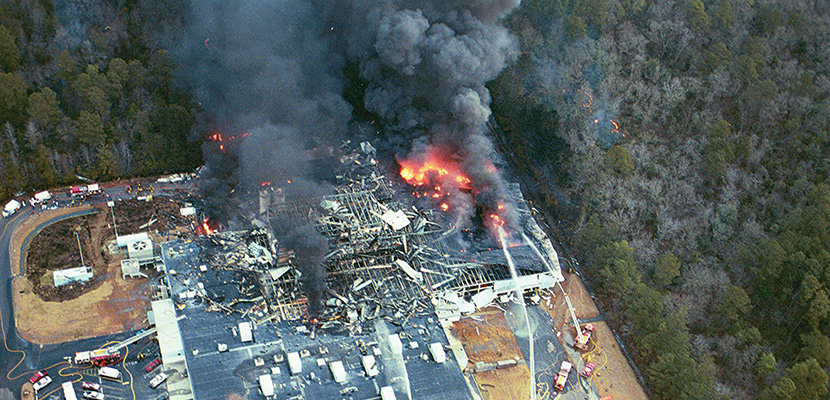
The National Fire Protection Association (NFPA) has introduced NFPA 660, a consolidated standard aimed at improving safety measures for managing combustible dust and fume hazards. Released to streamline and enhance safety protocols, NFPA 660 consolidates several pre-existing standards into a single document.
For manufacturers and end-users in the fume and dust control industry, understanding NFPA 660 is essential to maintaining compliance and ensuring workplace safety.
What is NFPA 660?
NFPA 660 is the Standard for Combustible Dusts and Particulate Solids. This comprehensive document integrates and supersedes several individual NFPA standards related to combustible dust. Its purpose is to offer a unified approach to hazard identification, risk management, and mitigation strategies for industries that generate or handle combustible dust.
Combustible dust is a known industrial hazard that can lead to catastrophic fires or explosions if not properly managed. NFPA 660 builds on decades of research and field experience to provide detailed guidelines for handling these hazards effectively.
Which Standards Does NFPA 660 Replace?
Before NFPA 660, several standalone standards addressed combustible dust hazards. The new standard consolidates the following:
- NFPA 61: Standard for the Prevention of Fires and Dust Explosions in Agricultural and Food Processing Facilities.
- NFPA 484: Standard for Combustible Metals.
- NFPA 652: Standard on the Fundamentals of Combustible Dust.
- NFPA 664: Standard for the Prevention of Fires and Explosions in Wood Processing and Woodworking Facilities.
- NFPA 655: Standard for Prevention of Sulfur Fires and Explosions.
- NFPA 654: Standard for the Prevention of Fire and Dust Explosions from the Manufacturing, Processing, and Handling of Combustible Particulate Solids.
Updates and Improvements
NFPA 660 integrates the essential elements of the aforementioned standards while introducing several updates:
- Unified Structure: By consolidating related standards, NFPA 660 eliminates redundancies and makes it easier for industries to find relevant safety protocols in one document.
- Risk Assessment: The standard emphasizes a performance-based approach, allowing organizations to tailor risk assessments and mitigation strategies to their specific operations.
- Dust Hazard Analysis (DHA): Chapter 7 of NFPA 660 introduces significant updates to how DHAs are conducted. These include::
- Expanded Scope: The DHA process now explicitly includes all systems and components that may contribute to combustible dust hazards, such as conveying systems, storage areas, and secondary explosion risks.
- Periodic Reviews: Facilities are required to revisit and update their DHA every five years or when significant process changes occur. This ensures ongoing relevance and effectiveness.
- Detailed Documentation: DHAs must now include a systematic identification of hazards, evaluation of existing controls, and a clear action plan to address gaps.
- Team-Based Approach: NFPA 660 emphasizes the need for a multi-disciplinary team to conduct DHAs, ensuring diverse expertise and perspectives.
- Improved Clarity: Definitions, requirements, and procedures are more clearly outlined, reducing ambiguity and facilitating compliance.
Impacts on End Users
End users, including industrial facilities handling combustible dust, must:
- Review Existing Safety Plans: Ensure current practices align with NFPA 660 requirements.
- Update DHAs: Conduct a thorough Dust Hazard Analysis if not already done under NFPA 652. Ensure compliance with the expanded scope and documentation requirements introduced by NFPA 660.
- Invest in Compliant Equipment: Collaborate with trusted manufacturers, such as Clean Air Industries, to upgrade or retrofit systems to meet NFPA 660 standards.
- Training and Education: Provide employees with up-to-date training on combustible dust hazards and mitigation strategies.
Reassuring Compliance
While the adoption of NFPA 660 may seem daunting, it’s designed to simplify and enhance safety practices. By providing a single, comprehensive resource, the standard empowers industries to better protect their facilities and employees.
Manufacturers, clients, and safety professionals should collaborate closely to ensure a smooth transition. Early adoption and proactive planning will not only ensure compliance but also foster a culture of safety.
Valuable Resources
To explore NFPA 660 in detail or seek guidance, consult the following sources:
- NFPA: Overview of NFPA 660
- OSHA: Combustible Dust Resources
- Dust Safety Science: DustSafetyScience.com
By embracing NFPA 660, the industry is taking a significant step forward in ensuring the safe management of combustible dust. This landmark standard reinforces the commitment to protecting lives, assets, and the environment through unified and robust safety protocols.
If you’ve already conducted a Dust Hazard Analysis and require a compliant air filtration solution, we can help. Contact us today.
Request A Quote
Please provide the information below, and one of our experts will be in touch very shortly to help with your needs.
Frequently Asked Questions
NFPA 660 is the Standard for Combustible Dusts and Particulate Solids. Released in late 2024, it brings together six older NFPA standards (NFPA 61, 484, 652, 654, 655 and 664) into one clear, streamlined framework. The goal? To create consistent guidelines for dust hazard analysis, housekeeping, explosion protection, and safe handling practices – no matter the industry.
NFPA 660 was officially adopted on Friday, December 6, 2024. From that date, it became the reference standard for combustible dust safety. The older standards, such as NFPA 61, 484, 652, 654, 655 and 664, are now retired.
The first and most critical step for compliance with NFPA 660 is to conduct a thorough Dust Hazard Analysis (DHA). A DHA identifies and evaluates the specific combustible dust hazards present in your facility, which is the foundation for all subsequent safety and mitigation efforts.
Yes. NFPA 660 builds on the DHA (Dust Hazard Analysis) requirements originally outlined in NFPA 652. Any facility that handles or generates combustible dust must perform a Dust Hazard Analysis. The DHA must be reviewed and revalidated at least once every five (5) years. NFPA 660 also provides more detailed guidance on testing dusts for combustibility and explosibility, evaluating dust-related hazards, and implementing interim protective measures while permanent solutions are being developed.
- Category: Uncategorized
- Tag: Combustible Dust, Flammable Dust, Indoor Air Quality, NFPA 660