Clean Air Industries

+1 (866) 665 1829

Clean Air Industries

Creating a Spark: The Importance of Welding Booths in Schools for a Hands-On Learning Experience

In a world increasingly dominated by technology and digital learning, the importance of hands-on experiences cannot be overstated. And when it comes to vocational skills, welding is undoubtedly one of the most valuable and versatile. That’s where welding booths come into play. These specially designed spaces provide students with a safe and controlled environment to learn the art of welding, allowing them to ignite their creativity and passion for craftsmanship. But the benefits of welding booths extend far beyond the development of technical skills. By working in these dedicated spaces, students also cultivate a sense of discipline, attention to detail, and problem-solving abilities. In this article, we will explore why welding booths are crucial in schools, how they enhance the learning experience, and the long-term impact they have on students’ futures. So, let’s dive in and discover how creating a spark in the form of welding booths can ignite a lifelong love for hands-on learning.
Benefits of Hands-On Learning in Welding

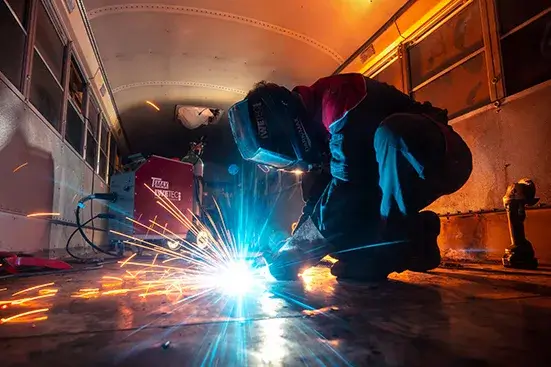
Welding is a practical skill that requires hands-on experience to master. By providing students with the opportunity to engage in hands-on learning, welding booths offer numerous benefits. Firstly, hands-on learning allows students to apply theoretical knowledge in a practical setting, bridging the gap between classroom learning and real-world application. This experiential learning approach helps students develop a deeper understanding of the subject matter and enhances their critical thinking skills.

Secondly, hands-on learning in welding booths promotes creativity and innovation. When students have the freedom to experiment and explore their ideas, they become more confident in their abilities and are more likely to think outside the box. This fosters a spirit of innovation and problem-solving, essential skills for success in the ever-evolving world of welding.

Lastly, hands-on learning in welding booths instills a sense of pride and accomplishment in students. As they see their creations come to life, students gain a sense of ownership and a feeling of achievement. This boosts their self-esteem and motivates them to continue pursuing their passion for welding.

In summary, hands-on learning in welding booths is vital for students as it allows them to apply theoretical knowledge, promotes creativity and innovation, and fosters a sense of pride and accomplishment.

Importance of Welding Safety in Schools

When it comes to welding, safety should always be the top priority. In schools, where students are learning the fundamentals of welding, it is crucial to create a safe training environment that minimizes the risk of accidents. Welding booths play a vital role in ensuring the safety of students by providing a controlled space for them to practice their skills.

Welding booths are equipped with safety features such as ventilation systems, fire-resistant materials, and proper lighting. These features help prevent the accumulation of harmful fumes, reduce the risk of fire, and ensure optimal visibility during welding operations. Additionally, welding booths are designed to contain sparks and prevent them from spreading, further enhancing the safety of students and the surrounding environment.

By emphasizing the importance of safety in vocational schools and providing dedicated welding booths, educational institutions demonstrate their commitment to the well-being of their students. This not only instills a culture of safety among students but also prepares them for a career in welding where safety practices are of utmost importance.

Types of Welding Booths and Their Features

Welding booths come in various types, each with its own unique features and benefits. The choice of welding booth depends on factors such as the size of the school, the number of students, and the specific welding techniques being taught. Let’s explore some common types of welding booths and their features:

1. Standard Welding Booths: Standard welding booths are the most basic type and are suitable for schools with limited space or a smaller number of students. They provide the necessary safety features such as ventilation, fire-resistant materials, and proper lighting. Standard booths are often modular, allowing for easy installation and customization.

2. Multi-Station Welding Booths: Multi-station welding booths are designed to accommodate multiple students simultaneously. These booths feature individual workstations equipped with welding equipment and safety measures. Multi-station booths promote collaboration and peer learning, allowing students to observe and learn from each other’s techniques.

3. Advanced Welding Booths: Advanced welding booths are ideal for schools that offer advanced welding techniques or specialized training. These booths may include additional features such as integrated exhaust systems, advanced safety controls, and computerized monitoring. Advanced booths provide students with a more immersive and technologically advanced learning experience.

4. Mobile Welding Booths: Mobile welding booths are designed for schools that require flexibility in their welding programs. These booths are portable and can be moved to different locations within the school or even taken off-site for field trips or community outreach programs. Mobile booths offer convenience and versatility without compromising on safety and functionality.

No matter the type of welding booth chosen, it is essential to ensure that it meets industry standards and regulations to guarantee the safety and well-being of students.

Setting up a Welding Booth in a School

Setting up a welding booth in a school requires careful planning and consideration. Here are some steps to follow when setting up a welding booth:

1. Assess the Space: Evaluate the available space in the school and identify an area suitable for the welding booth. Consider factors such as ventilation, access to electrical outlets, and proximity to other classrooms or workshops.

2. Ensure Proper Ventilation: Adequate ventilation is crucial in a welding booth to remove harmful fumes and ensure a safe working environment. Install a ventilation system that meets industry standards and regulations.

3. Choose the Right Welding Equipment: Select welding equipment that is suitable for the skill level and techniques being taught. Consider factors such as power requirements, durability, and ease of use.

4. Install Safety Measures: Implement safety features such as fire-resistant materials, proper lighting, and safety shields. Ensure that the booth is equipped with fire extinguishers and first aid kits.

5. Train Staff and Students: Provide comprehensive training to staff and students on the safe use of the welding booth and equipment. Emphasize the importance of following safety protocols and provide ongoing supervision and support.

By following these steps, schools can create a safe and functional welding booth that enhances the learning experience for students.

Best Practices for Using Welding Booths in Schools

To maximize the benefits of welding booths in schools, it is essential to implement best practices for their use. Here are some recommendations:

1. Safety First: Prioritize safety at all times. Ensure that students and staff are aware of and follow safety protocols, including the use of personal protective equipment (PPE) such as welding helmets, gloves, and safety glasses.

2. Supervision and Support: Provide adequate supervision and support to students during welding activities. Assign qualified instructors or supervisors who can guide students, answer questions, and address any safety concerns.

3. Regular Maintenance: Conduct regular maintenance checks to ensure that the welding booth and equipment are in good working condition. Inspect ventilation systems, electrical connections, and safety features to identify and address any issues promptly.

4. Encourage Collaboration: Foster a collaborative learning environment by incorporating group projects or team-based activities in the welding curriculum. Encourage students to share their knowledge and skills with their peers, promoting a sense of camaraderie and teamwork.

5. Document Learning Outcomes: Keep track of students’ progress and learning outcomes through regular assessments and documentation. This allows educators to identify areas of improvement and tailor the curriculum to meet the specific needs of each student.

By implementing these best practices, schools can ensure that welding booths are utilized effectively, resulting in a more enriching and rewarding learning experience for students.

Incorporating Welding Booths into the Curriculum

Integrating welding booths into the curriculum is crucial for providing students with a comprehensive learning experience. Here are some ways to incorporate welding booths into the curriculum:

1. Structured Lesson Plans: Develop structured lesson plans that align with the learning objectives of the welding program. Break down the curriculum into modules or units and design activities that allow students to practice their skills in the welding booth.

2. Real-World Applications: Include real-world applications of welding techniques in the curriculum. For example, students can work on projects that simulate industry scenarios, such as building structural components or fabricating artistic sculptures.

3. Guest Speakers and Industry Visits: Invite guest speakers from the welding industry or organize visits to local welding shops or manufacturing facilities. This exposes students to real-life welding practices and provides them with insights into potential career paths.

4. Certification Programs: Offer certification programs in collaboration with industry partners or professional welding organizations. These programs provide students with recognized credentials, enhancing their employability and opening doors to further career opportunities.

By integrating welding booths into the curriculum, schools can ensure that students receive a well-rounded education that prepares them for a successful career in welding.

Training and Certifications for Welding in Schools

To ensure the quality and relevance of welding education in schools, it is essential to provide training and certifications for both students and instructors. Here are some training and certification options:

1. Student Certifications: Offer certification programs specifically designed for students. These certifications validate their skills and knowledge in specific welding techniques and can be a valuable addition to their resumes.

2. Instructor Certifications: Provide opportunities for instructors to obtain certifications in teaching welding. These certifications ensure that instructors have the necessary expertise to deliver high-quality instruction and maintain industry standards.

3. Continuing Education: Encourage both students and instructors to engage in continuing education programs to stay updated with the latest advancements in welding technology and techniques. This can be achieved through workshops, seminars, or online courses.

4. Collaboration with Industry Partners: Partner with local welding businesses or organizations to offer apprenticeship programs or internships. These programs provide students with hands-on experience and exposure to real-world welding practices.

By investing in training and certifications, schools demonstrate their commitment to providing students with a comprehensive and industry-relevant education in welding.

Funding Options for Purchasing Welding Booths

Acquiring welding booths for schools can be a significant investment. Fortunately, there are several funding options available to support the purchase of welding booths. Here are some potential funding sources:

1. Government Grants: Explore government grants and funding programs specifically designed for vocational education or career and technical education. These grants often prioritize the acquisition of equipment, such as welding booths, that enhance hands-on learning experiences.

2. Private Donations: Seek support from local businesses, corporations, or philanthropic organizations that have an interest in promoting vocational education. Many companies have corporate social responsibility programs or foundations that provide grants or donations to educational institutions.

3. Partnerships with Industry: Establish partnerships with local welding businesses or industry associations. These partnerships can provide financial support, equipment donations, or access to discounted prices for welding booths.

4. Fundraising Events: Organize fundraising events within the school or the local community to generate funds for purchasing welding booths. These events can include auctions, raffles, or sponsorships.

It is essential to research and explore multiple funding options to find the most suitable and sustainable solution for acquiring welding booths for schools.

Conclusion: The Impact of Welding Booths on Student Learning

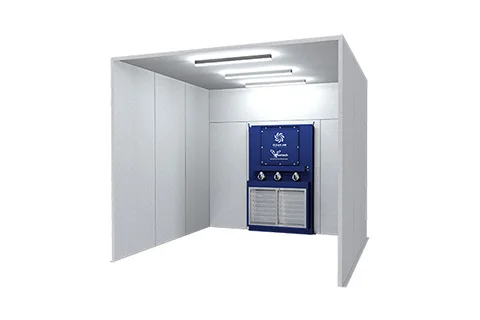
Clean Air Industries Welding Booth for Vocational TrainingWelding booths play a crucial role in schools by providing students with a safe and controlled environment to learn the art of welding. They not only develop students’ technical skills but also foster creativity, innovation, and problem-solving abilities. Welding booths create a hands-on learning experience that bridges the gap between classroom theory and real-world application, preparing students for successful careers in welding.

By emphasizing the importance of welding safety and implementing best practices for using welding booths, schools can ensure that students receive a comprehensive and safe learning experience. Integrating welding booths into the curriculum, providing training and certifications, and exploring funding options further enhance the impact of welding booths on student learning.

In a world where technology continues to advance, the need for hands-on experiences in vocational skills like welding becomes even more critical. Welding booths create a spark of passion and ignite a lifelong love for hands-on learning, empowering students to pursue fulfilling careers in welding and related fields. So, let’s continue to create sparks and build a future where hands-on learning thrives in schools.

Literature

More Air Cleaning Solutions for Vocational Training

Amtech ATC Cyclone Dust Collectors by Clean Air Industries

Cyclone Dust Collectors

Up to 12,500 CFM Airflow

Ideal for the removal of high-volume and large dust particles. Lightens dust loading on baghouses or cartridge collectors

Explore Cyclone Collectors

Clean Air Industries Downdraft Tables

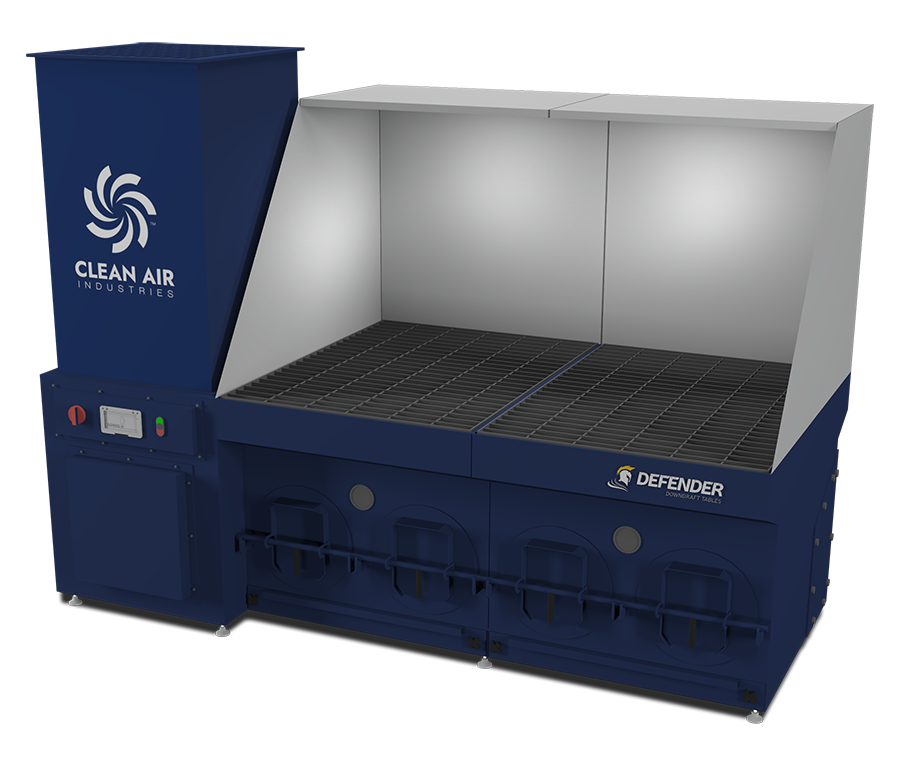
Downdraft Tables

Up to 9,000 CFM Airflow

Discover portable and industrial downdraft tables available in multiple configurations with best in-class performance.

Learn More

RTT EZ Classic Crossdraft Paint Booth by Clean Air Industries

EZ Classic Crossdraft Paint Booths

Premium Performance. Smart Design.

Reliable, efficient crossdraft spray booths designed for automotive shops seeking easy installation and consistent results.

Product Details

Benefits Of Weld Fume Extraction In The Workplace

Many employees all across the world spend the majority of their days at work. Therefore, it is the responsibility of business owners to make sure that the working environment is conducive to being safe and comfortable for their employees. A safe workplace is crucial for every employee’s productivity, health, and increased staff effectiveness on the job.

Especially in high-risk industries like mining and manufacturing, workplace safety should be a top priority. These industries use the welding process quite frequently, exposing everyone in the zone to harmful fumes which can affect the respiratory system and adversely impact their health and safety.

Particulate matter of hazardous metals like aluminum and lead and gases like argon, nitrogen, hydrogen fluoride, and carbon monoxide can be detected in welding fumes. Long-term exposure to these fumes can cause a number of cancers, including lung, throat, and urinary tract cancer.

Employers are accountable for the workplace environment, safety precautions, and how machine operations are carried out. Observing the regulations set forth by OSHA, AWS, and NIOSH, you can guarantee the health and safety of your personnel.

Fume extraction systems are an excellent solution for such workplace issues, particularly in the manufacturing industry. If your work is more welding-oriented and involves the production of hazardous fumes, consider investing in a suitable welding fume extractor.

What Is A Welding Fume Extractor?

Weld fume extraction systems are tools utilized to remove welding fumes produced when working with metals used in welding applications. The use of a vacuum mechanism is to suck the fumes from the source of production such that the toxic fumes do not get an opportunity to escape into the welding room or other functioning areas.

This equipment is usually made for industrial purposes. Fixed suction systems are mainly designed and conceptualized by industry-leading companies in accordance with the needs of the customer to create a perfect plan for extracting the Welding sparks and smokewelding fumes through the insertion of airflow pipes that will filter the air to purify and reuse in the same environment.

Additionally, a number of different designs are available for the assembly of the mechanical arms that provide the suction depending on their length and the perimeter of the surface where the welding process will take place.

Applications Of Fume Extraction Systems

Every job that requires welding or the creation of small particles and toxic fumes can use a fume extraction system.

Methods Of Weld Fume Extraction

An efficient fume extraction system will protect workers from health hazards by keeping dangerous fumes below the prescribed levels. Select a welding fume extraction system manufactured and designed to meet your work-specific requirements.

This diversity of requirements is why we have different fume extraction methods that can fit different needs. The five most prevalent techniques are as follows:

1. Portable welding fume extractor

Portable weld fume extractors have a filter fitted inside a frame with casters. It consists of a snorkel or an arm attached to a blower. It requires the snorkel to be placed at the center to be effective. Therefore, as the object being welded moves, the arm must be moved too. It also requires frequent filter changes.

2. Self-contained downdraft tables

In a self-contained downdraft table, the filters are placed inside the table, and the blower pulls air from the environment. This technique has the minimum installation requirements and costs just as much as a portable welding fume extractor. Self-contained downdraft tables are the safest solution for welding and grinding purposes.

3. Empty downdraft tables

These rely on the operations of a central fume and dust collector to take the collected air away from the operator into an external collector. They are not ducted and do not need power. One major strength of this technique is that empty downdraft tables are highly customizable and flexible but bring on a lot of additional expenses in installation and scalability.

4. Central fume and dust collectors

Empty downdraft tables are ducted to central fume and dust collectors. They do not need much maintenance as filters will typically only require an annual change although this will vary depending on the type of metal being welded, and the presence of oil on the metal surface.

5. Hanging ambient air cleaners

Hanging ambient air cleaners work as a secondary cleaning system to remove the leftover residues of harmful fumes after the primary solutions. The units are typically installed 12-14 feet above the ground, either suspended from the ceiling or mounted on a wall. Generally, they are an affordable and quick solution.

Why Is Welding Fume Hazardous?

Welding processes first appear to be safe. Simply uses heat to join two or more metal components, right? But several risks are involved, many of which are directly connected to the air you breathe. Welding fumes are hazardous due to the welding particles they contain, which are the source of airborne contaminants, such as:

  • Carbon Dioxide
  • Ozone
  • Sulfur Dioxide
  • Nitrogen Oxides
  • Lead
  • Aluminum Oxides

If you are unsure how these chemicals affect you, let us list the problems for you. Long and short-term exposure to these chemicals is linked to a number of health issues, including:

  • Throat Cancer
  • Lung cancer
  • Respiratory issues
  • Nervous system damage
  • Vision problems
  • Acute Pneumonia
  • Fume fever

Welding fumes contain carcinogenic chemicals in high amounts that might result in malignant tumors in the body. As understood from the discussion above, these compounds have a harmful effect on the human body, both mentally and physically. In general, a number of variables, including genetic predisposition or environmental effects and personal immunity, influence the risk of developing cancer. This is why we do not have an exact quantified count of the impact these substances can have. However, there is evidence that the risk of cancer rises with increasing exposure to these dangerous compounds in welding fumes.

Many studies have discovered that welders have a higher chance of developing lung cancer because of long hours of exposure.

What To Consider Before Choosing A Fume Extractor

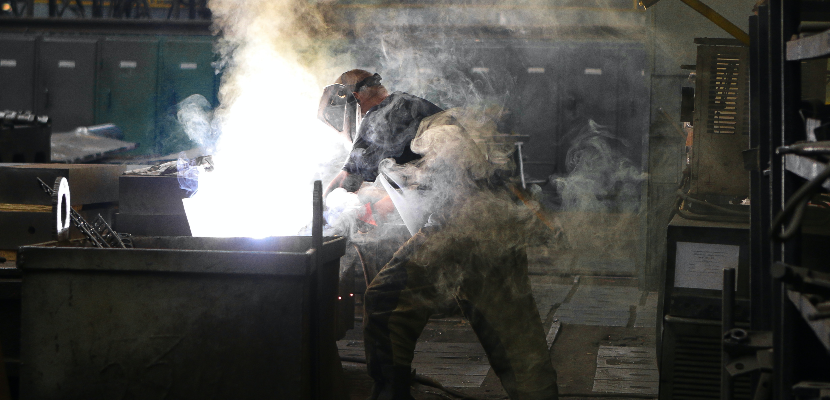
To maintain exposure at or below an acceptable level, it’s crucial to consider the work conditions, practices, and risks in the welding applications in your facility before beginning to choose a welding fume extraction system. Man welding Weld fumes extraction systems need to be placed correctly and used with necessary guidelines based on the specific requirements of the space in order to ensure effectiveness.

When buying a welding fume extractor, you can ask yourself the following questions for a better idea of which type of fume extractor will work for your office.

  • What is the size of your workshop or office where the welding process will happen?
  • How much welding is likely to take place?
  • What government-suggested regulations need to be met?
  • Does the filter meet your application requirements?
  • Is the fume extractor system flexible?
  • Is the fume extractor system friendly for operators?
  • Does the equipment meet the required level of airflow?

Benefits Of A Welding Fume Extractor

One of the best methods that guarantee safety in industrial environments through low exposure to hazardous fumes is to have fume extraction systems in the workplace. Employees can have efficient productivity in a safe working environment. Listed below are more such advantages linked to the operation of a fume extraction system in the workplace.

Improved Air Quality

Many offices in high-risk industries have poor air quality. It could harm your health if you or your employees spend most of the day in such a setting. However, you may enhance the quality of air and make your workplace healthier for everyone by using a weld fume extractor. The fume extractors function by collecting all of the fumes produced throughout the welding and manufacturing operations and releasing them into the air.

Improved Worker Productivity

Workers typically perform better when they are comfortable and in good health. Because a weld fume extractor minimizes welding fumes, you may give your staff a healthier working environment. Additionally, the team will take fewer days off, ultimately saving you money.

Improved Employee Morale

As they say, happy employees are productive employees. Your employees will immensely appreciate the safety precautions you take since they will see that you are concerned about their welfare. That can significantly improve everyone’s mental health and foster a positive work environment. This will be a step towards a better employer-employee relationship and building trust.

Reduced Absenteeism

A healthy workforce is directly related to a healthy workplace and lower absenteeism. As production increases, truancy will be lower, which is crucial for any organization. The majority of businesses are supposed to provide medical insurance for their staff members. If the workplace is unsafe and unsanitary, the expenses of treatment and medication for staff members as a result of the absence of a fume extraction filter could be quite high.

Healthier Work Environment

We all know that welding processes produce dangerous gases. Every welding procedure has some amount of fumes, and these gases can do a lot of harm if not handled carefully. Installing welding fume extractors in the welding area helps to ensure that all gases are quickly taken away from people before they can affect employees physically. The smaller the particles, the more dangerous they are. Fume extractors are essential to every welding sector for this reason.

Superior Weld Quality

The constant presence of fumes has an impact on the weld quality. The welds may become porous if the fumes are not sufficiently removed, resulting in weak and brittle joints. However, since a fume extractor will eliminate all dangerous vapors, you can enhance the weld quality.

Prevention of Corrosion

A number of corrosive gases are released in the office air during welding. These pollutants can also harm the surfaces and equipment in the office. Using a weld fume extractor in the workplace can be helpful in preventing metal pieces from corroding. Many industrial-grade fume extractors can assist in reducing corrosion.

Equipment Longevity

As mentioned above, the equipment used at work can also are impacted by the fumes created by welding. The equipment may be damaged and have a shorter lifespan due to the corrosive nature of welding fumes. Due to a fume extractor’s ability to eliminate corrosion, you can prolong the life of the machinery.

Conclusion

The benefits of fume extraction systems at a workplace are not restricted to workers only; they also benefit the company. In addition to reducing risks of illnesses, workers in a safe and healthy atmosphere will also be more attentive and energized. Additionally, workers have a tendency to be more self-assured in their surroundings at work, which benefits the people around them.

Employers must understand that even while a fume extraction system may appear to be unnecessary, the consequences of not having one will cost more. Therefore, it is only wise to install a fume extractor and watch your workers progress, as does your company.

Unlocking Workplace Safety and Efficiency: The Importance of Downdraft Tables in Manufacturing

Imagine a bustling manufacturing facility, the rhythmic hum of machinery, and dedicated workers striving to meet production targets. In this scene, safety should never be an afterthought. Yet, accidents and health hazards can loom over even the most well-run operation.

In this blog post, we’ll delve into the world of downdraft tables, their invaluable role in manufacturing, and how they not only boost productivity but also help prevent injuries and illnesses. We’ll share compelling statistics and data to underscore their significance in maintaining a safe and healthy workplace.

The Vital Role of Downdraft Tables in Manufacturing

In the dynamic world of manufacturing, where efficiency and productivity are king, the health and safety of workers often hinge on the equipment used. Among these, downdraft tables play a pivotal role. These specialized workstations are designed to capture and contain harmful dust, debris, and fumes right at the source, before they can invade the breathing space of workers.

The Invisible Threat in the Air

According to the Centers for Disease Control and Prevention (CDC), an estimated 558,000 workers in the USA are exposed to hexavalent chromium, a common compound in manufacturing [1]. Prolonged exposure to hexavalent chromium can lead to serious health issues like lung cancer and chronic obstructive pulmonary disease (COPD). Downdraft tables are instrumental in mitigating these risks by providing a localized extraction and filtration system.

A Statistical Perspective on Workplace Health

The implementation of downdraft tables has shown a marked improvement in workplace health. A study by the Journal of Occupational and Environmental Hygiene revealed that the use of local exhaust ventilation, like downdraft tables, can reduce airborne contaminants by up to 95%. This reduction significantly lowers the risk of respiratory diseases, which account for about 24% of all work-related illnesses in the manufacturing sector [2].

Beyond Health: Enhancing Productivity and Quality

Downdraft tables not only safeguard health but also enhance overall productivity and product quality. By removing airborne contaminants, they provide a cleaner work environment, leading to fewer machine malfunctions and lower maintenance costs. Moreover, a healthier workforce is invariably more productive and less prone to absenteeism due to illness.

The Economic Impact of Improved Safety

Investing in downdraft tables is not just a health and safety measure; it’s a smart economic decision. The National Safety Council estimates that work-related injuries and deaths cost the U.S. economy $167 billion in 2021 alone [3]. By preventing such incidents, downdraft tables contribute to reducing these enormous costs.

A Call to Action for Safer Workplaces

The story of downdraft tables in manufacturing is one of silent guardianship. They stand as a testament to the fact that the best safety measures are often those that go unnoticed, seamlessly integrated into the daily workflow. As we continue to advance in industrial practices, let’s not forget the importance of such equipment in safeguarding the health and well-being of our workforce. After all, a healthy worker is the true backbone of any successful manufacturing operation.

Downdraft tables might seem unassuming, but their impact on manufacturing settings is profound. They not only shield workers from harm but also bolster production efficiency. As the statistics demonstrate, these tables are an investment in both the well-being of your workforce and the bottom line of your business.

Incorporating downdraft tables into your manufacturing facility isn’t just a safety measure; it’s a strategic decision to secure a healthier, more productive future. By doing so, you’re not only protecting your employees but also fortifying your company’s position in the competitive manufacturing landscape.

Remember, in the world of manufacturing, safety is not just a priority – it’s a responsibility. Downdraft tables, with their proven track record, are here to help you fulfill that responsibility with excellence.


References

  1. Centers for Disease Control and Prevention (CDC). “Occupational Exposure to Hexavalent Chromium” [Online]. Available: https://www.cdc.gov/niosh/docs/2013-128/pdfs/2013_128.pdf.
  2. U.S. Bureau of Labor Statistics. “Respiratory Conditions Due to Toxic Agents” [Online]. Available: https://www.bls.gov/.
  3. National Safety Council. “Work Injury Costs – 2021” [Online]. Available: https://injuryfacts.nsc.org/work/costs/work-injury-costs/.

Manual Welding

Weld fume contains metal particulate that can cause short and long-term respiratory illness. Learn the risks and the source-capture solutions that remove it.