Oil Mist Collectors

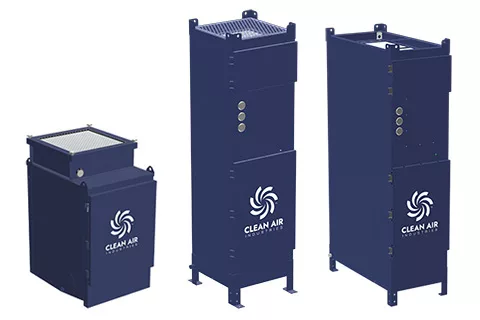
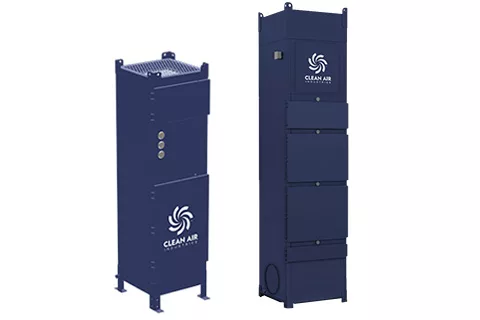
ZeroMist Oil Mist Collectors, featuring our coalescing fiber bed “catch and release” technology so you can recycle your coolants.

ZeroMist Oil Mist Collectors, featuring our coalescing fiber bed “catch and release” technology so you can recycle your coolants.
Recommended for finer oil droplets. Featuring our coalescing fiber bed “catch and release” technology.
Oil mist and oil smoke in manufacturing facilities are primarily generated by industrial processes that involve the use of cutting fluids, such as machining, grinding, and milling. There are different types of cutting fluids that generate oil mist and smoke, including straight oils, soluble oils, semi-synthetic fluids, water-based fluids (composed of water, with additives for lubrication and rust prevention), and synthetic fluids. These fluids are used to cool, lubricate, and remove metal particles during the machining process. When these fluids come into contact with the hot surface of the workpiece, they vaporize and form an oil mist or smoke.
The difference between oil mist and oil smoke lies in the size of the particles. Oil mist consists of larger particles and is usually visible to the naked eye, while oil smoke consists of smaller particles and may not be visible.
The Occupational Safety and Health Administration (OSHA) has set a permissible exposure limit (PEL) for oil mist at 5 milligrams per cubic meter of air for an 8-hour workday, 40-hour workweek. OSHA also has regulations regarding ventilation, the use of PPE, and other safety measures.
It’s important to note that specific regulations can vary depending on the type of oil being used, the specific processes in place at a facility, and other factors. Therefore, it’s crucial to consult with a safety professional or industrial hygienist to ensure compliance with all relevant regulations.
Oil mist is typically generated in manufacturing applications that involve the use of oil for lubrication or cooling. Here are some specific examples:
Oil smoke is typically generated in manufacturing processes that involve high temperatures and the use of oil-based lubricants or coolants. Here are some examples:
In all these processes, it’s important to have proper ventilation and filtration systems in place to capture and remove oil mist and smoke from the air. This not only helps to protect the health and safety of workers, but also helps to maintain the quality of the finished products by preventing contamination.
Inhalation of oil mist and oil smoke can lead to respiratory problems, skin irritation, and eye problems. Long-term exposure can lead to more serious health problems like occupational asthma and other lung diseases.
Some of the primary safety hazards include:
To eliminate these risks, it’s essential to use oil mist and oil smoke collection systems. These systems work by drawing in the contaminated air, filtering out the oil particles, and then releasing the cleaned air back into the environment. The collected oil can then be recycled or properly disposed of. Air purification systems for oil mist and oil smoke collection work by using filters to capture the oil particles. The best systems are efficient, reliable, and easy to maintain. They should also be capable of handling the volume of air in the manufacturing facility.
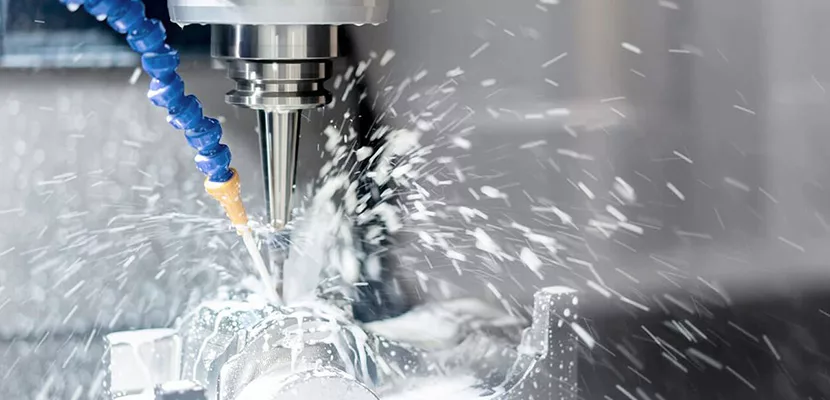
CNC machining creates oil mist and smoke that endanger workers and coat equipment. Learn the risks and the oil mist and smoke collectors that control them.
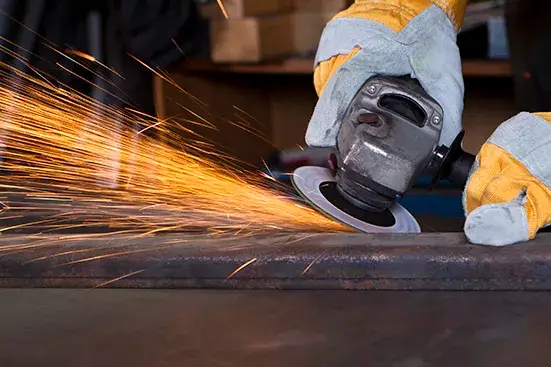
Grinding produces respirable metal dust, fume, noise and vibration. Learn the risks and the downdraft tables, booths and dust collectors that control them.
From welding labs to woodshops and auto body bays, explore the booths, fume extractors, dust collectors and paint booths built for vocational training.